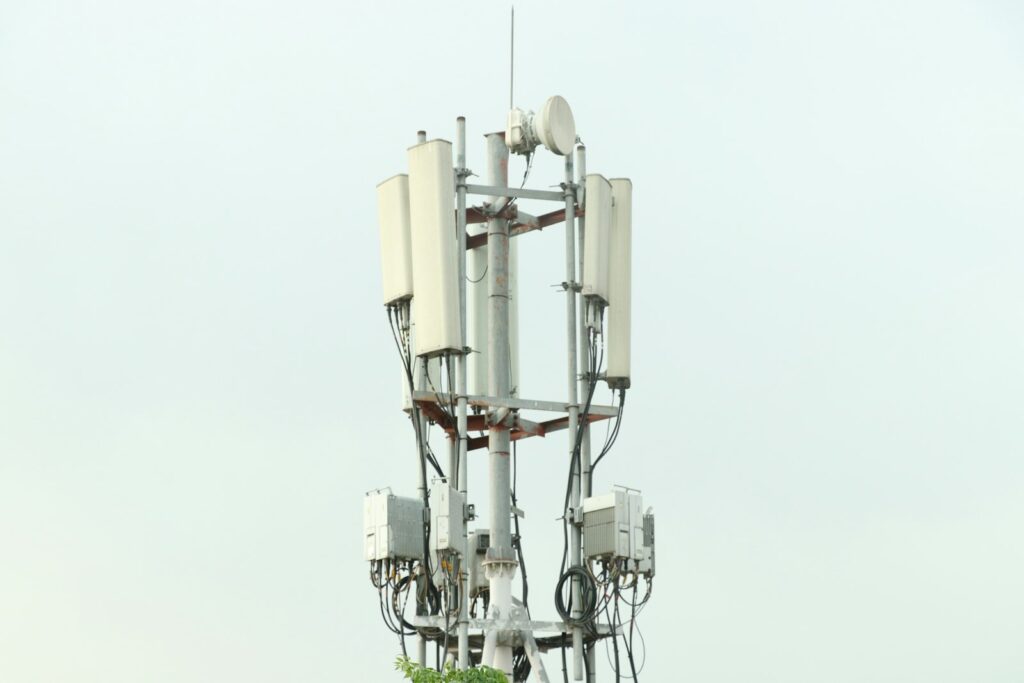
For organizations researching fixed wireless broadband equipment, the first decision is not which quote looks cheapest; it is which option fits real-world technical and governance requirements. Provider networks have constraints that ordinary office-network purchasing does not capture. Geography, spectrum, customer-premises hardware, site access and network operations all shape a successful deployment. This guide shows which technical and commercial checks should lead a sourcing decision.
Start with the actual requirement
Account for spectrum, interference, terrain, line of sight and weather-driven fade margins. A laboratory range figure is not a deployment guarantee. When comparing fixed wireless access equipment, check the use case, the equipment or process being replaced and the acceptance criteria. A project involving tarana cambium hardware can have different dependencies from a routine like-for-like replacement. Capture those dependencies in writing before inviting bids so purchasing and engineering assess the same scope.
Compare options using consistent evidence
Validate radio planning, management integration, deployment logistics and software entitlements before issuing a purchase order. Check both peak-hour capacity and future subscriber growth. Lab results and vendor specifications should be supplemented with design review and site-specific tests. Buyers searching for broadband radio equipment supplier should also evaluate fwa broadband equipment. Request evidence appropriate to the risk, and have the technical owner review it. An apparently favorable offer loses value if it omits necessary functionality, documentation or a workable escalation path. This is especially important when the organization is balancing schedule pressure against longer-term operating costs.
A practical way to assess fixed wireless broadband equipment is to use the fixed wireless broadband equipment service page as a starting point for discussing exact requirements, instead of assuming all suppliers or devices are equivalent. Keep a written checklist of must-have capabilities and acceptable alternatives. Have operations confirm that requirements match the live environment.
Questions to resolve before moving forward
When reviewing fixed wireless network hardware, ask what is explicitly included, what is excluded and how issues are documented. For wireless broadband tower gear, understand operational dependencies, ownership and any handoffs between teams. Also ask how serial numbers, versions, site locations or deliverables will be validated at acceptance. A useful proposal separates confirmed facts from estimates and flags assumptions that still need testing.
Common mistakes to avoid
One recurring mistake is assuming that a familiar brand or product label proves fit for purpose. Another is to focus exclusively on the initial cost of fixed wireless broadband equipment while ignoring downtime risk, implementation effort and downstream support. Avoid treating an unverified listing as a guarantee. Keep a backup plan for unavailable SKUs, failed test results, missed project windows and unexpected licensing restrictions. For regulated processes, involve the compliance owner in the decision.
Teams considering fixed wireless broadband equipment can use this checklist when comparing proposals, reviewing inventory or building an internal business case. DWC-IT can be contacted to discuss the project scope and confirm which products or services are currently offered, including specific terms and availability. Document the agreed deliverables before authorizing the work.
Final planning checklist
Before approval, verify the written requirements, the intended environment, any applicable standards, the quote scope and the accountable owner. Record acceptance evidence and follow-up actions. When a team needs fixed wireless broadband equipment, thoughtful preparation reduces rework and helps stakeholders make a decision they can explain later. Clear documentation, realistic testing and documented exceptions matter more than an optimistic description of the solution.